
Highlights of the Research
The world of labour is changing rapidly, but this change goes far beyond the very nature of work itself. Across all sectors organisations are rethinking how talent is identified, valued and enabled to grow. Traditional career paths are becoming less linear, role boundaries less fixed and skills less permanent. In their place, a more fluid labour market is emerging — one shaped by adaptability, continuous learning and evolving capabilities.
Skills-based hiring is no longer an emerging trend: it is becoming a structural transformation in the way organisations attract, assess and develop talent. The main challenge is to rethink talent beyond job titles. In this context, skills-based hiring is gaining momentum worldwide: this research explores the most significant global developments shaping the adoption of skills-based hiring, examining not only the opportunities it creates, but also the tensions, perceptions and operational challenges that continue to influence its evolution.
Support is growing, but structured adoption remains limited
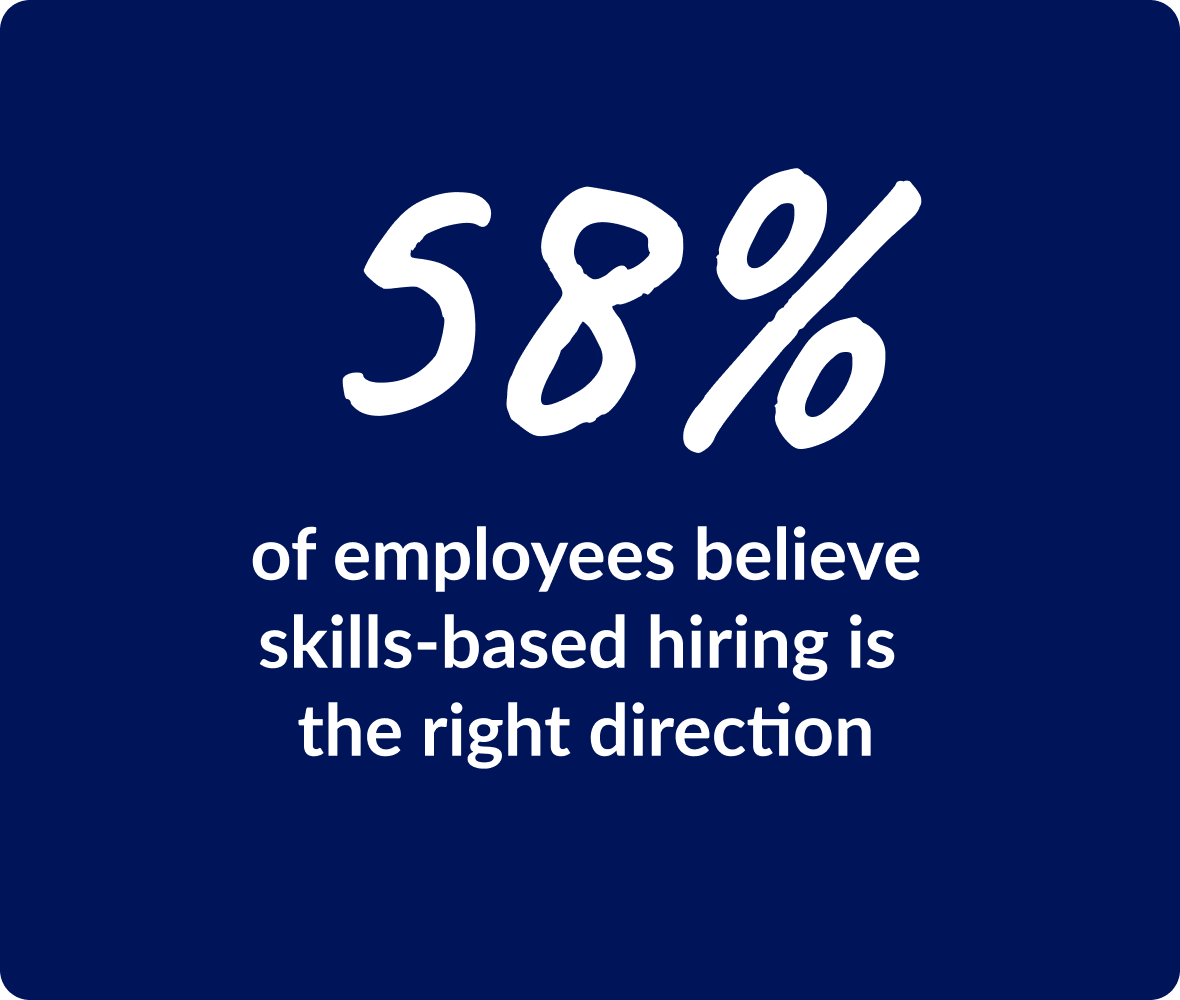
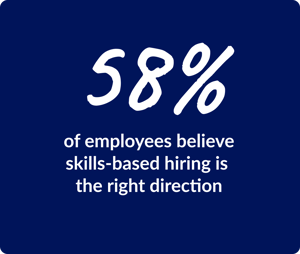
The broader labour market is becoming increasingly fluid and skills-driven: companies are demanding new capabilities, career paths are growing less linear and skills are becoming obsolete more rapidly. Skills-based hiring is widely recognised as the right direction, yet it has not been fully implemented. Among both employees and HR decision-makers, a majority already view this model positively, with 58% of employees and 63% of HR decision-makers supporting it.
Organisations struggle to identify and assess the capabilities that matter most
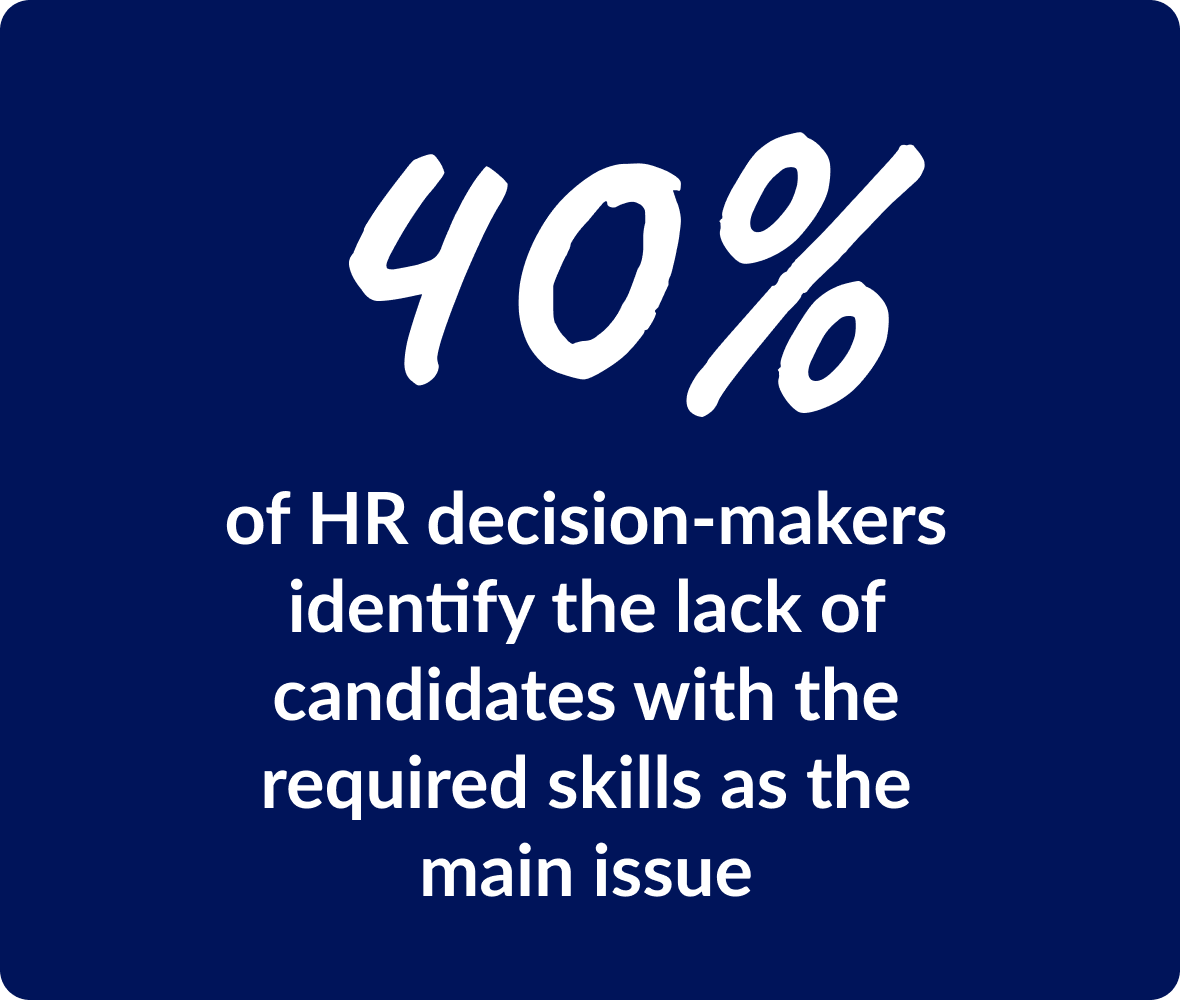
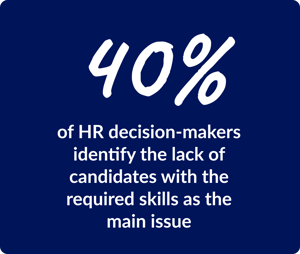
The main recruitment challenge is no longer a shortage of talent, but a mismatch of skills. Among HR decision-makers, 40% identify the lack of candidates with the required skills as the primary issue, while 33% point to difficulties in attracting qualified talent. The problem, therefore, lies less in an overall shortage of people than in the availability of the right capabilities in the right contexts.
At the same time, skills are becoming both more important and harder to assess consistently. Among HR decision-makers, 51% report difficulties evaluating cultural alignment, 47% soft skills, 45% motivation, and 43% technical skills.
Upskilling and skills visibility as key to career growth and organisational flexibility
Internal mobility is emerging as the area where skills matter most, yet the processes designed to support it often remain unclear and underdeveloped.
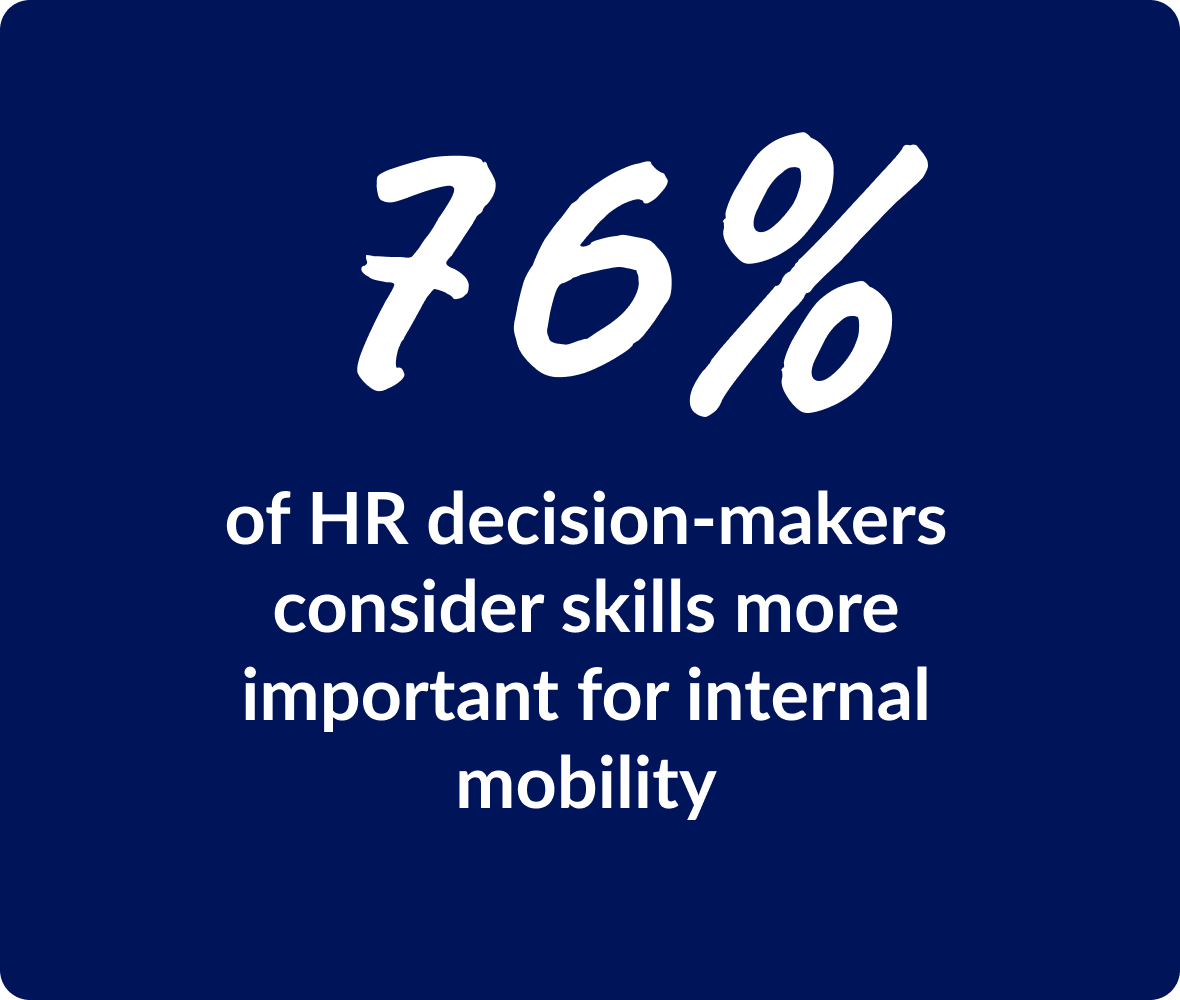
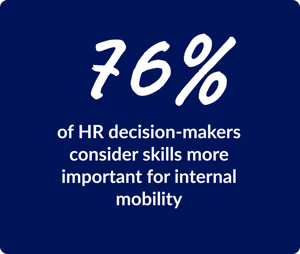
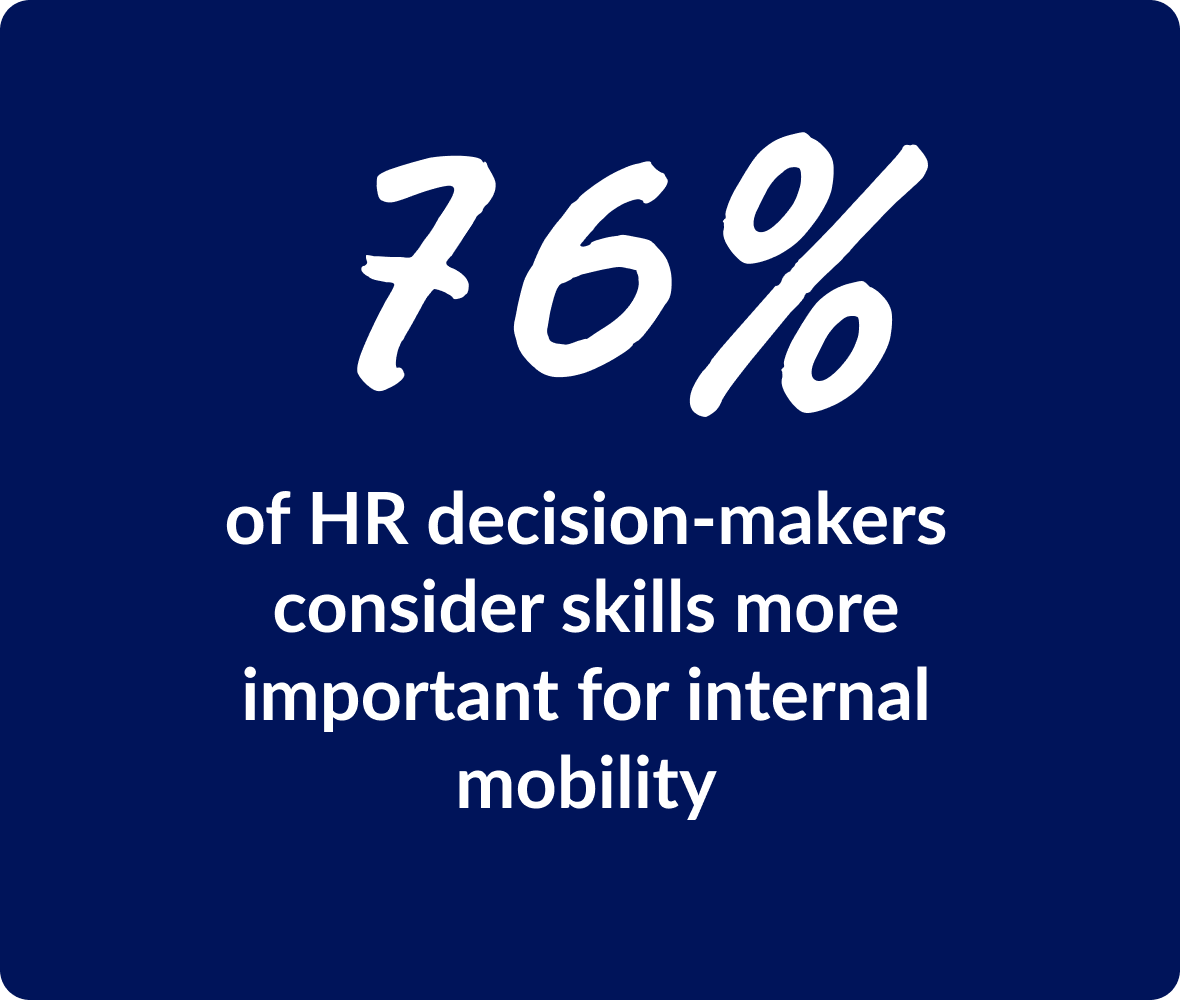
While 68% of employees and 76% of HR decision makers consider skills more important for internal mobility than for external recruitment, internal opportunities are still not sufficiently visible, formalised, or accessible to make this approach fully systematic. As a result, organisations are being pushed by the market towards greater flexibility and as roles become less fixed and career paths more dynamic, continuous upskilling is taking on a more central role.
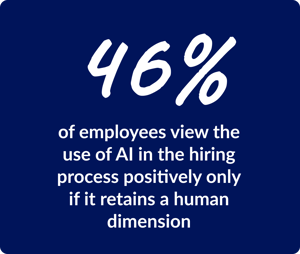
Transparency and human oversight are essential to make AI-driven recruitment credible and effective
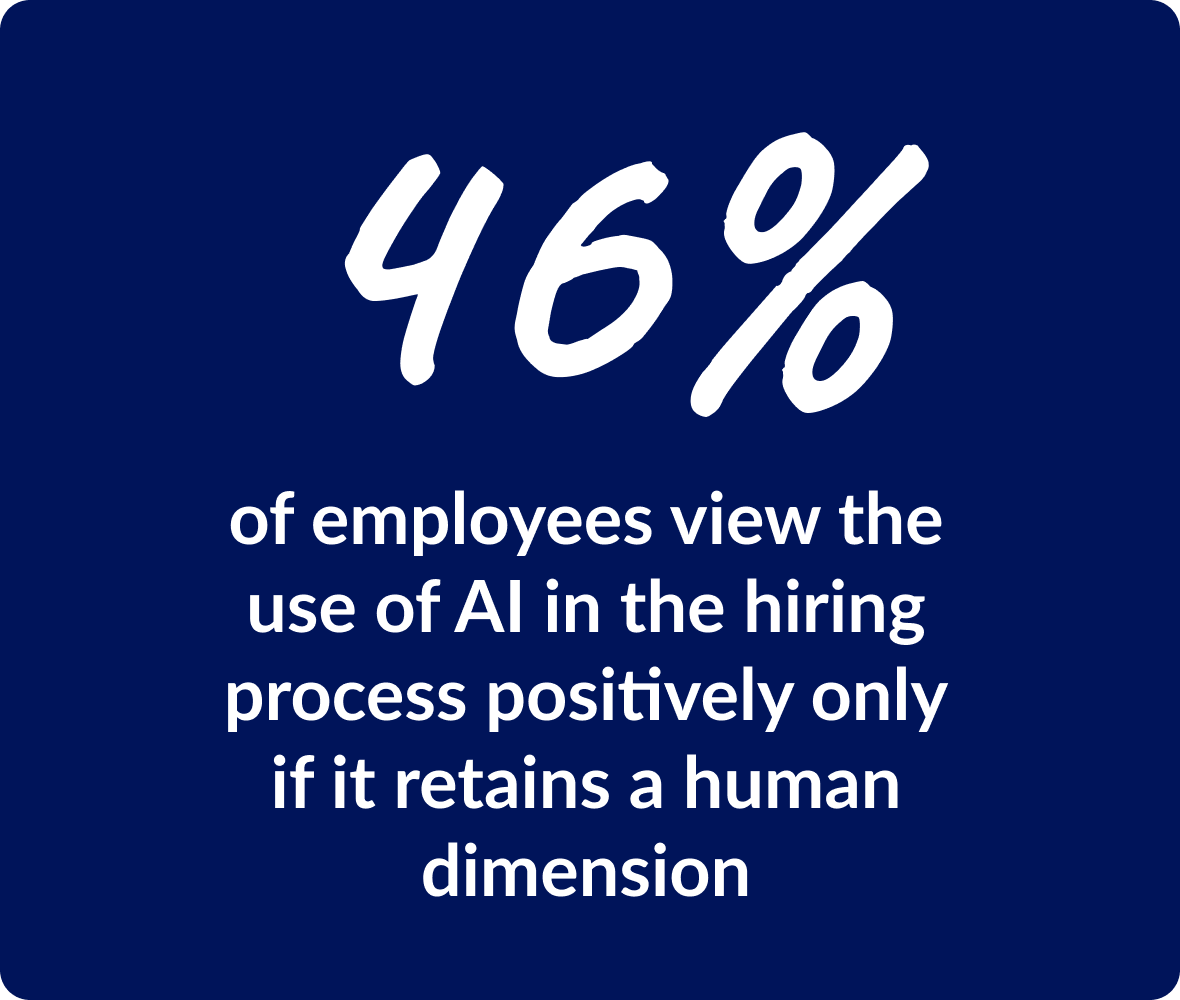
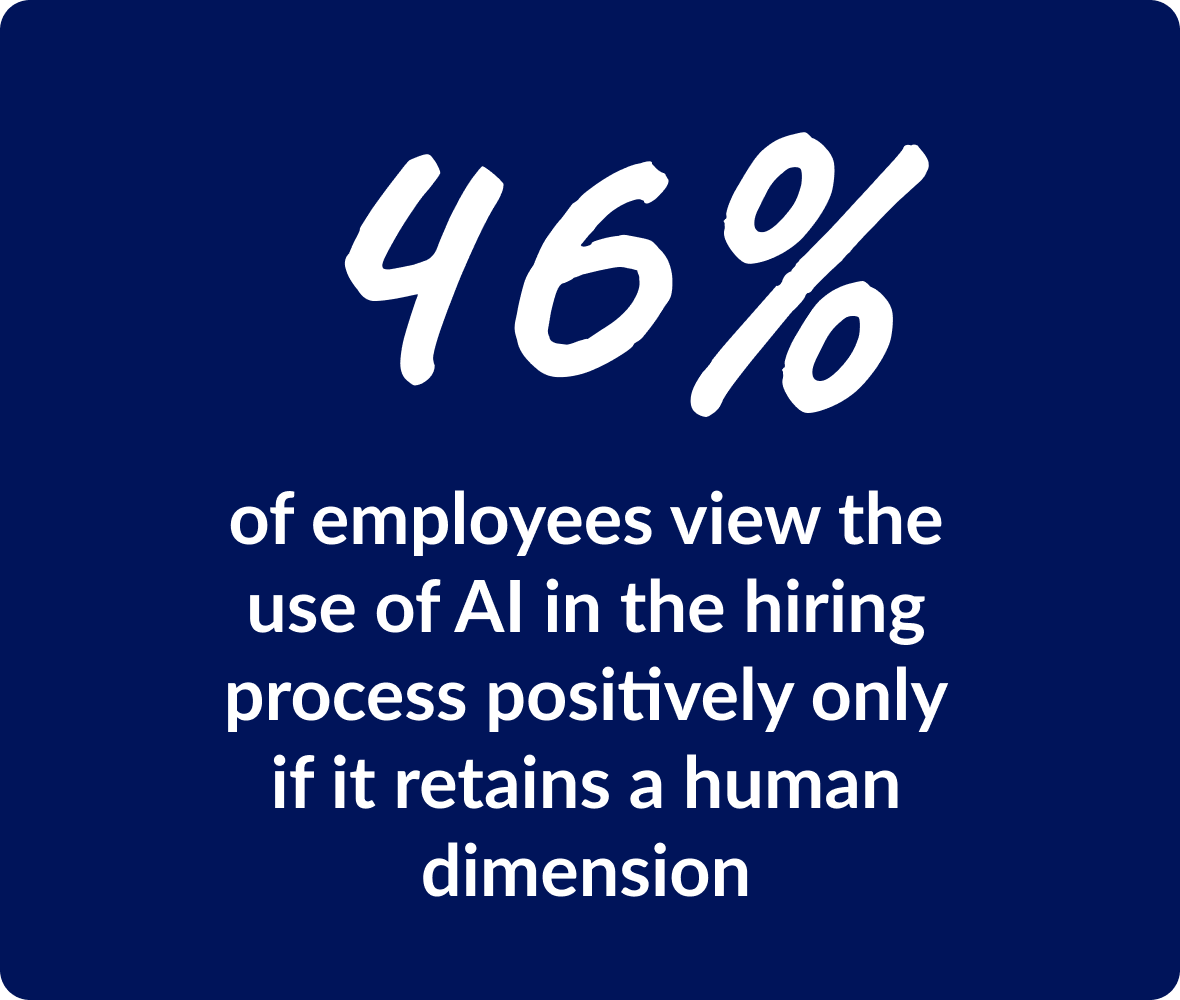
If skills-based hiring is to become credible with candidate, organisations need to increase transparency in evaluation processes. Where evaluation remains opaque, trust weakens and process quality deteriorates. This becomes even more important as AI use expands. While AI offers clear advantages in terms of speed and efficiency, organisations must ensure that technological innovation does not come at the expense of human judgement and accountability.